

One Week in Tuscany & Umbria
From the old-world charm of Siena to the cypress-studded hills of Val d'Orcia, Tuscany holds many pleasures. Its enchanting hilltop villages allow for endless exploration—not to mention some of the most incredible wineries and culinary experiences in the world—while the capital city of Florence, known as the birthplace of the Renaissance, is a mecca for art and culture aficionados. Round out the week with a stop in the beautiful town of Orvieto, located in the neighboring region of Umbria, and experience the true meaning of la dolce vita.

Days 1–3: Florence
Stay
Guests check in to Villa San Michele, a Belmond Hotel, for the sweeping views alone. The 39-room hotel sits in the hills above Florence, beyond the bustle of the city but not so far away that you can’t take part in the action. Housed in a former fifteenth-century Franciscan monastery, the property also boasts a facade attributed to Michelangelo as well as Italy’s first Guerlain spa.
Do
As the beating heart of Florence, the Duomo attracts over 4 million visitors annually. Marvel at the Renaissance masterpiece without the crowds during an after-hours tour, where your guide will take you up the 463 steps to the world-famous dome.
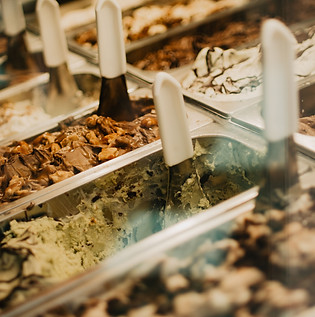
Learn how gelato is made—right in the city of its birth—with a private gelato tour. As you wind through the charming streets of Florence’s historic city center, you’ll get a taste of the beloved dessert at several traditional gelaterie and even sneak a peek into a gelato laboratory.
Oltrarno may be removed from Florence’s most famous tourist sites, but that’s precisely what makes this neighborhood worth a visit. Located on the south side of the river Arno, it’s home to the Brancacci Chapel, a jewel of the Renaissance movement, and the Pitti Palace, where the Medicis once lived. It’s also where you’ll find some of Florence’s best shopping: Stop by Il Papiro for hand-marbled paper and high-end stationery and L’Ippogrifo Stampe d’Arte for meticulous fine art etchings.
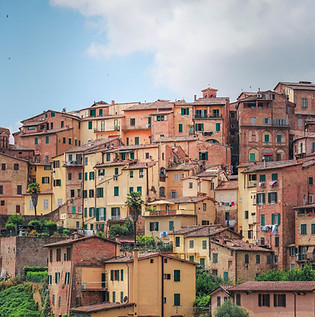
While Florence offers countless things to see and do, Siena—Italy’s best-preserved medieval city and just an hour and a half away by car—makes for a magical day trip or overnighter. Wander the labyrinthine streets, climb the 400 steps to the top of the Torre del Mangia for unmatched views of Siena, and tour the Siena Cathedral, a stunning example of Romanesque and Gothic architecture.
Eat and Drink
After marveling at Botticelli’s famed Birth of Venus at the Uffizi, take a short stroll to Vini e Vecchi Sapori, where you can enjoy traditional Tuscan delights like pappardelle in duck ragù and hearty ribollita soup in a cozy, bustling atmosphere.
Bistecca alla Fiorentina, the signature Florentine dish where a porterhouse steak is grilled to perfection over hot coals, is one of the main reasons to visit Regina Bistecca, located just north of the Duomo. It’s also housed in a former antiquarian bookshop, so you know the vibes are impeccable.
Sample traditional Tuscan street food at Sergio Pollini Lampredotto, a beloved family-run street-cart operation. It’s where locals and tourists alike go for lampredotto, cow stomach that’s slow-cooked in a savory broth and served in a crusty roll.


Days 4–6: Chianti
Stay
Time moves more slowly at La Darbia in Chianti, located an hour from Florence. With just 17 suites, the property is spread among a series of ancient stone buildings, meticulously restored by two Italian architects who partnered with local artisans to bring the historic structures back to life. Laze about at the two glittering pools and enjoy Tuscan classics at the on-site restaurant, which overlooks fields of lavender.
Do
Previously named one of the world’s best vineyards, Antinori Nel Chianti Classico is one of Italy’s biggest wine producers—and a prime destination for a private wine tasting. Enjoy Tignanello and Solaia, two of their most famous wines, in the stunning suspended glass tasting room that overlooks the barrel cellar.
Take advantage of some of Italy’s best truffle hunting with a private excursion to the Tuscan woodlands, where you’ll search for the so-called “black gold” with the help of a trained canine. Afterward, head to a local farm, where you’ll learn the art of pasta making and enjoy the fruits of your labors on a private terrace.
One of the best ways to experience Chianti is on foot, while exploring its many spectacular hiking trails. Hit the Panzano loop trail and stop at some of the region’s most beautiful vineyards along the way; for rolling hills and ancient olive groves seemingly plucked straight from a painting, hike from the quaint village of Radda in Chianti to Volpaia.
Eat and Drink
Marvel at the stunning views from the terrace at Ristoro di Lamole—you’ll see the famed towers at San Gimignano off in the distance—while tucking into pear-filled ravioli and pacchero stuffed with porcini mushrooms and truffle.
In the enchanting village of Passignano, surrounded by some of Tuscany’s finest vineyards, you’ll find Osteria di Passignano. Under the helm of chef Matteo Lorenzini, this Michelin-starred establishment shines with seasonal Tuscan dishes and an impressive wine list.
Every guest is family at Ristorante La Bottega di Volpaia, owned by two sisters who honor Tuscan traditions through heirloom recipes. The tiramisu—made fresh daily—is not to be missed.


Days 7–8: Orvieto
Stay
What was once a fifteenth-century palazzo has been reimagined as a design-forward nine-key hotel by the name of Palazzo Petrvs. Nestled in the heart of Orvieto, just steps from the Duomo di Orvieto, the property balances historical richness with modern comforts, with such charming details as stone doorways etched with the names of Roman nobles and vintage Hans-Agne Jakobsson lamps. Past and present mingle similarly at Coro, the moody on-site restaurant housed in a deconsecrated church.
Do
While Italy is home to many stunning hilltop towns, Orvieto possesses its own unique allure thanks to its well-preserved medieval architecture and intricate network of over 1,200 tunnels. Take a tour of an underground cave and learn how the Etruscans relied on this underground network for storing food and hiding from enemies.
Hit the Anello della Rupe—a three-mile loop around the base of the volcanic rock on which Orvieto is perched—and enjoy the Umbrian landscape while working up a hearty appetite for your next incredible meal.
The Duomo di Orvieto, built over three centuries starting in the year 1290, is regarded as one of the most iconic cathedrals in all of Italy, a shining example of fine Italian craftsmanship and artistry. Join a private tour to learn about its history as well as the masterpieces contained within, like the frescoes by Luca Signorelli, which are said to have inspired Michelangelo.
Eat and Drink
A wine bar, wine shop, and deli in one, Bottega Véra has countless regional wines and other artisanal specialties on offer. Stop by after a visit to the cathedral (it’s just steps away) and order a tasting flight alongside a charcuterie platter.
Whether you come for the ambience or the food, you won’t be disappointed at Osteria della Mamma Angela, which earns rave reviews for its antipasti and meats. Grab a table on the terrace, which sits in one of Orvieto’s largest piazzas.
A refined, elegant meal is guaranteed at I Sette Consoli, which during the warmer months offers seating in an intimate garden that looks up at the Church of Sant'Angelo. Come for dishes like salted codfish with pan-fried zucchini and pork tenderloin wrapped in pancetta with Jerusalem artichoke cream and cardoncelli mushrooms.